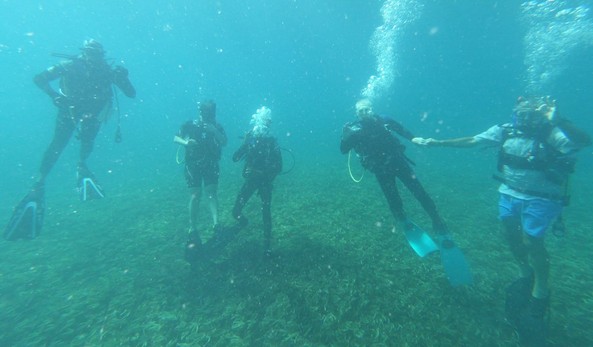


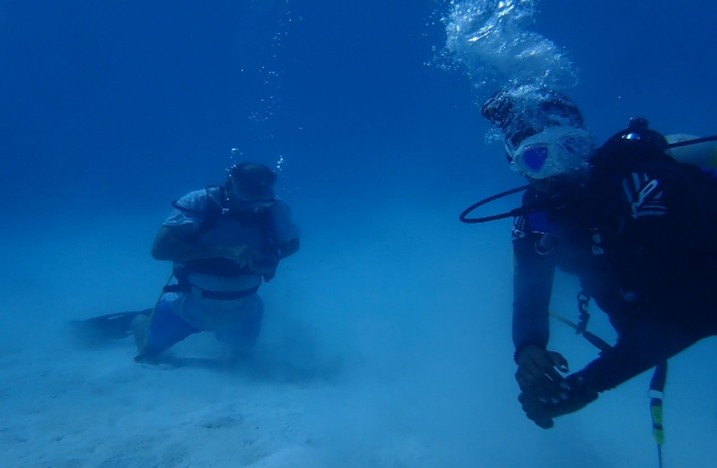
Diving is an important part of the daily work carried out by the Aquaculture department of the Seychelles Fisheries Authority. Behind every successful sea cage, research project, or broodstock collection, there is a dedicated dive team working both above and below the water. Within the Operations Section, diving is not only a task but a well-organized activity that combines teamwork, preparation, and strict safety procedures.
Routine Dive Equipment Maintenance and Safety Checks
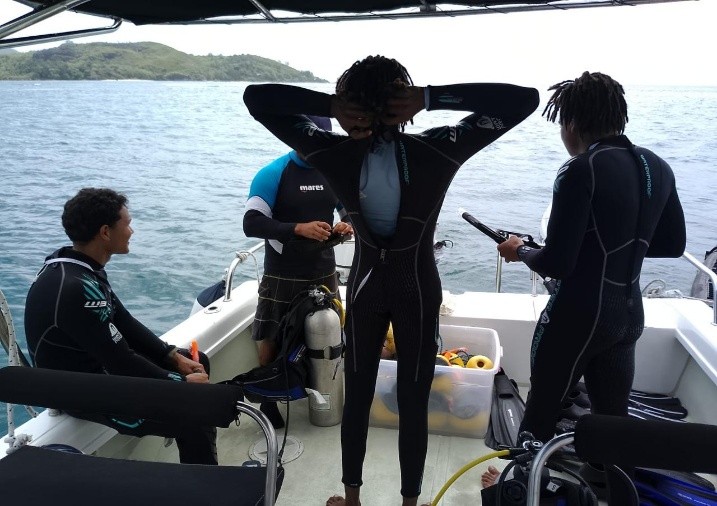
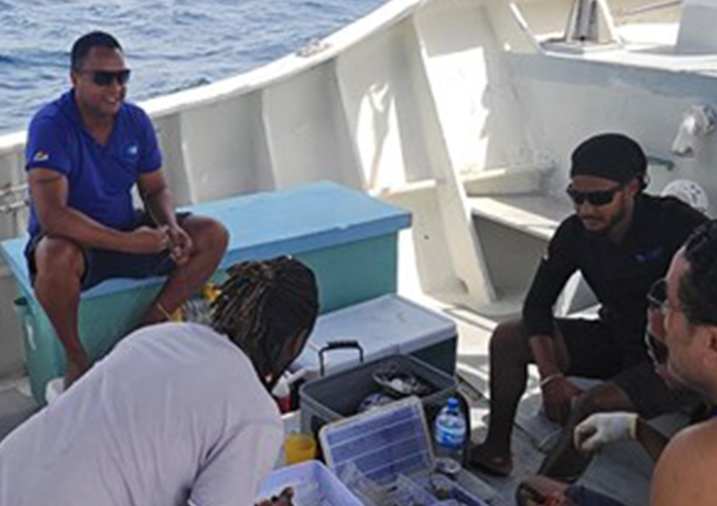
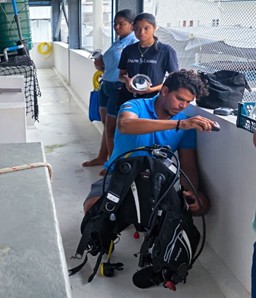
Every diving operation starts long before the boat leaves the jetty. The team first focuses on equipment monitoring and maintenance. Regulators, cylinders, BCDs, compressors, and safety gear are carefully checked to make sure everything is working properly. Tanks are filled, inspected, and recorded, while dive plans are discussed among the team. This preparation is very important, especially because many missions take place far from the main island.
Aquaculture Field Operations
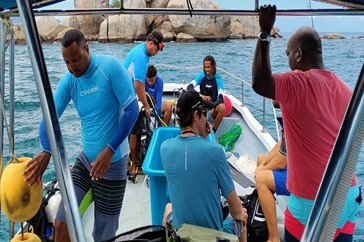
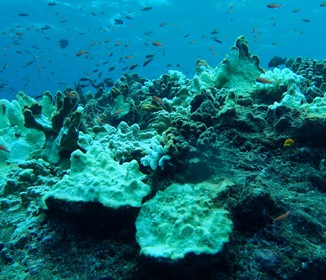
Once everything is ready, the team moves on to on-board diving expeditions. These trips can involve sea cage maintenance, scientific diving, or broodstock collection. The divers often travel to different parts of Seychelles, including remote areas such as Farquhar Atoll and the Amirantes. In these locations, the objective is to collect healthy broodstock of different finfish species and echinoderms that will later be used in aquaculture programs.
Modern Tools Supporting Dive Operations
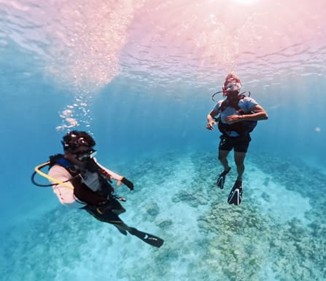
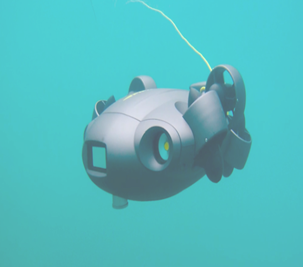
During these expeditions, divers use SCUBA equipment together with modern tools such as underwater drones to locate suitable specimens and study the environment before collection. This combination of technology and experienced divers helps the team work more efficiently while protecting marine life and its habitat.
Maintenance of Aquaculture Infrastructure
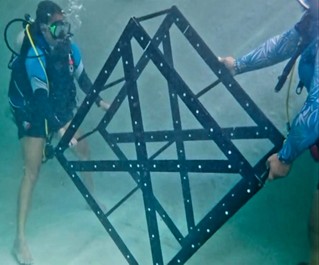
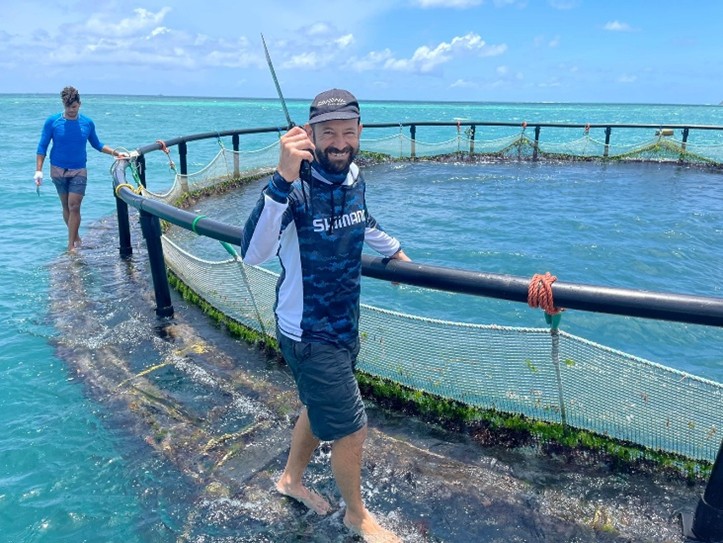
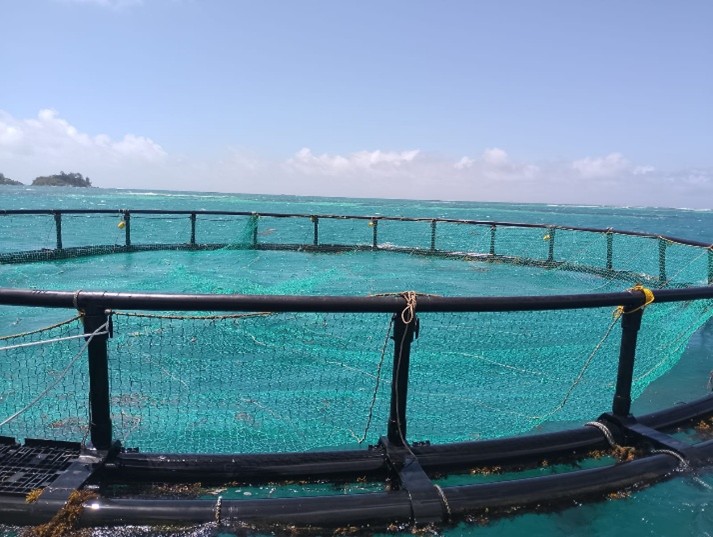
Another important part of the diving team’s work is sea cage inspection and maintenance. Nets need to be cleaned, mooring lines must be checked, and the cages must remain secure even in rough sea conditions. Scientific divers also assist with monitoring fish health, checking underwater structures, and supporting research activities carried out by the department.
Prepared for Every Dive
Even though diving is often seen as an enjoyable activity, it also comes with risks and challenges. Strong currents, deep dives, limited visibility, and working in remote islands can make each mission demanding. Because of this, safety is always the top priority. All dives are conducted following approved procedures, with full Personal Protective Equipment (PPE), proper dive planning, and constant communication between the boat crew and the divers. Emergency oxygen, first aid kits, and safety equipment are always ready in case they are needed.

Strengthening Aquaculture Through Teamwork
Through careful preparation, discipline, and teamwork, the diving unit of the SFA Aquaculture Department continues to play a key role in the development of Aquaculture in Seychelles. While a large amount of work happens underwater and out of sight, it is this effort that keeps the sea cages running, the Broodstock Acclimation and Quarantine Facility (BAQF), assists scientific research, and ensures the successful collection of broodstock for the future.