


Broodstock Collection
Collecting broodstock is more than just a technical task. It is a journey that connects us to the ocean and the life within it. Whether it is a glimmering finfish darting through a coral reef, a slow-moving sea cucumber resting on the seafloor, or a sturdy mud crab hiding among mangrove roots, each species has its own story, rhythm, and way of being handled.
In aquaculture, this journey begins with one purpose: to safely and efficiently collect healthy, mature broodstock that will one day give rise to the next generation of life in our hatcheries.
But as any experienced aquaculturist will tell you, success depends not just on catching the animals. It is about how we collect, handle, and care for them from the very first moment.
Finfish
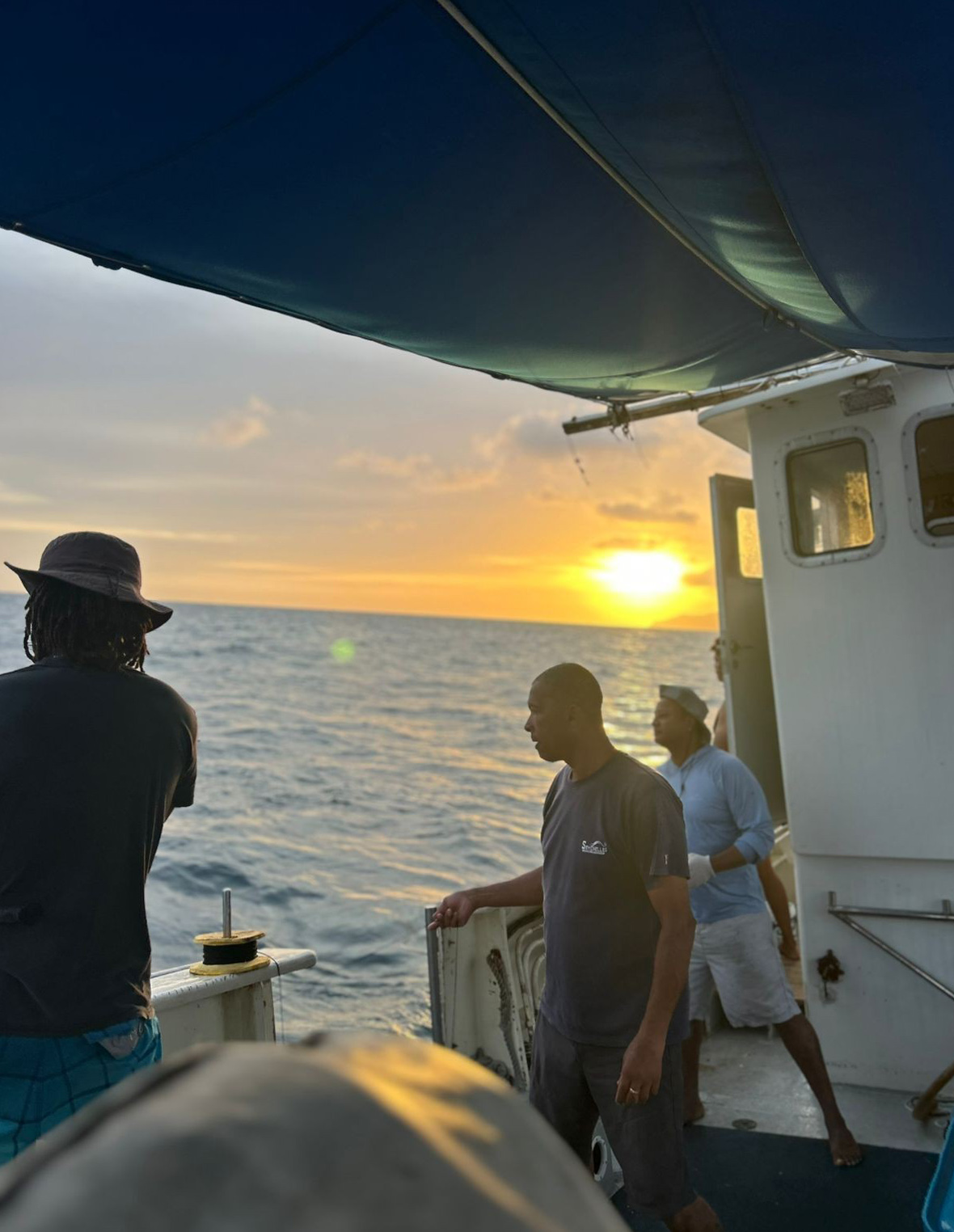
For finfish, the process often starts early in the morning with a calm sea. Fishers may set out with hooks and lines, or lower traps designed to catch larger species with minimal stress. In some cases, divers enter the water to gently guide fish into nets or stretchers.
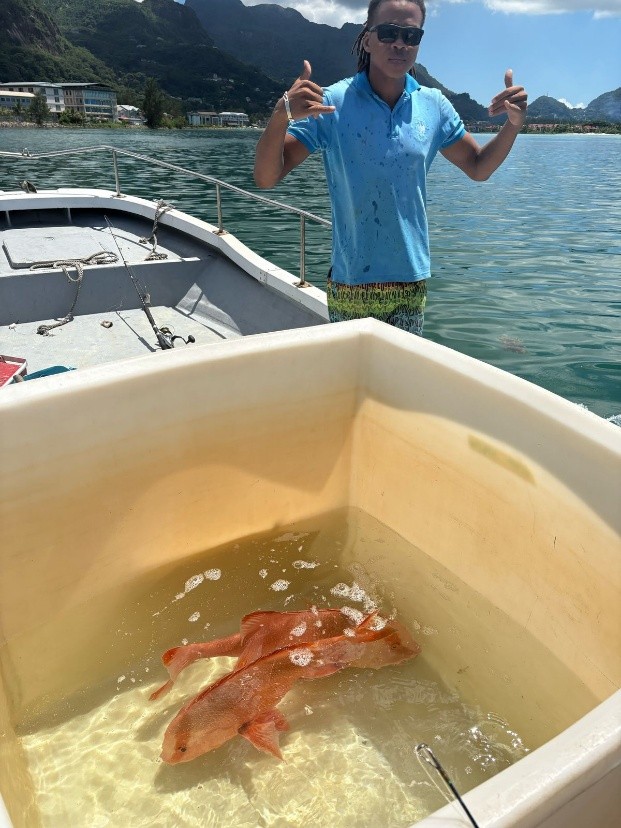
When brought to the surface, the rule is always the same: all fish need to be handled with care and kept wet. Fish are sensitive, and their protective mucus layer shields them from disease, so dry hands or rough nets can do more harm than most imagine.
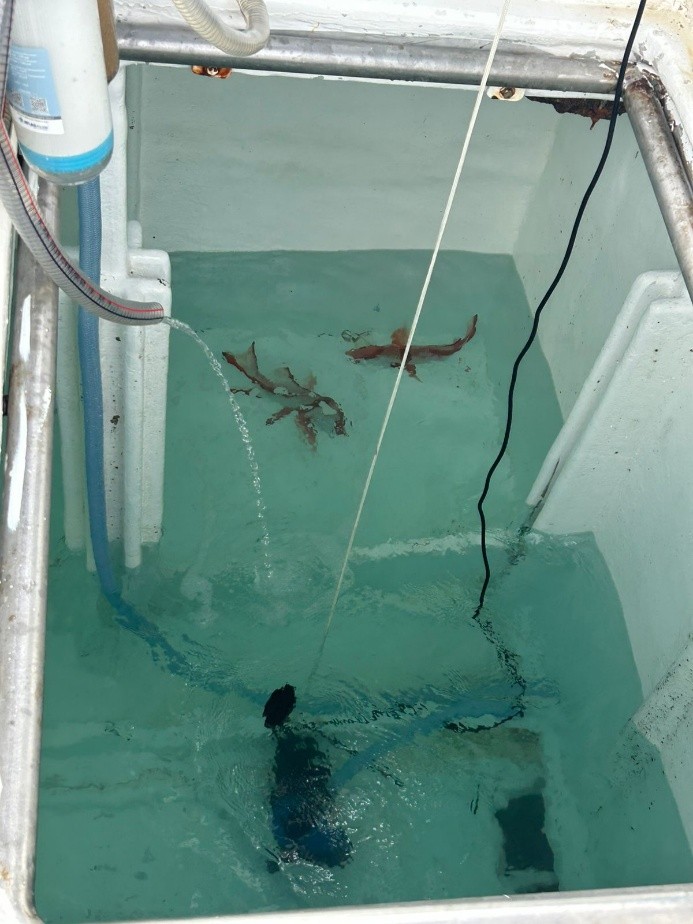
With wet hands and gentle movements, each fish is guided into a stretcher and slipped gracefully into the holding container, the first step in their journey to the Broodstock Acclimation and Quarantine Facility (BAQF).

Echinoderms
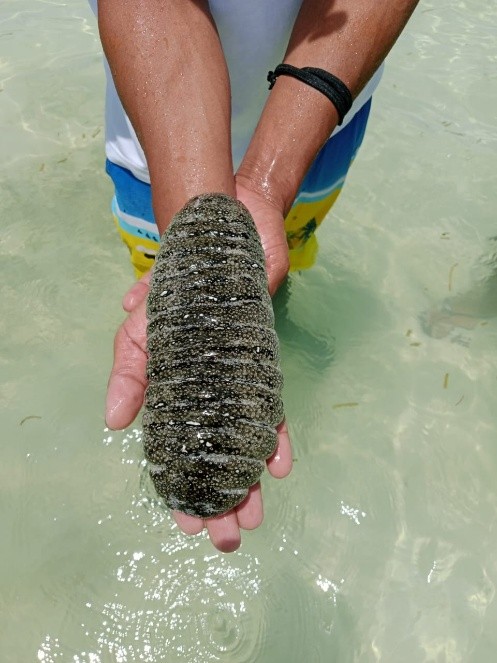
Collecting sea cucumbers or sea urchins tells a different story. These echinoderms cannot be caught with traps or lines. Instead, divers glide slowly across the seabed, carefully spotting them among reefs, rocks, and sand.
Each one is picked up gently, often by hand, making sure not to damage the soft tissues or spines. The work is slow, quiet, and patient.
Because these animals are extremely sensitive to air exposure and temperature changes, they are immediately placed into water-filled containers.

Crustaceans
Mud crabs and other crustaceans require yet another approach. Here, specialized traps are the tools of choice. The traps are baited and set in the mangrove channels overnight when the crabs are active.
When retrieved, the crabs are handled carefully to avoid injuries from their powerful claws and from each other. Individuals are separated and kept cool and moist, or submerged in aerated seawater.
It is a delicate balance between keeping them comfortable and preventing stress, ensuring they arrive at the facility in optimum condition for breeding.


The Science of Safe Transport
Once collected, the real test begins.
Every moment in transit matters. Oxygen must stay above 5 mg/L, and the pH should remain above 7, especially for sensitive species like Carangids such as trevally, pompanos, and amberjack. If the pH dips below 6.9, trouble can begin.
In longer trips, ammonia becomes the hidden enemy. It must stay below 1 mg/L, controlled through water changes, aeration, or the use of activated charcoal to remove toxins and maintain optimal water quality during holding or transport.
Filters or regular water exchange help remove solids that cloud the water, while temperature differences between the transport tank and the receiving tank must stay within 2°C, a simple but vital step to prevent thermal shock.
Why Broodstock Collection Matters
Broodstock collection is recognized as a core operational activity within aquaculture development and management. From wild collection to handling, transport, and acclimation, every step contributes to successful hatchery production and the future of sustainable aquaculture.